

Traditional Greek dishes are best understood as a way of building a table, not as a checklist of famous recipes. A Greek meal can move from a cool salad to a flaky pie, a grill-fired main and something sweet, with plenty of room for people to share, talk and choose another plate. This guide introduces the classics that make a first Greek meal feel welcoming, whether you are ordering at a restaurant or planning a dinner at home.
Start with the idea behind a Greek table
Greek cooking changes from island to mainland, city to village and one family kitchen to the next. What connects many traditional Greek dishes is a fondness for bright, direct ingredients: olive oil, lemon, herbs, vegetables, cheeses, beans, fish and grilled meats. The Greek National Tourism Organisation’s guide to cherished Greek dishes points to the range of produce and regional cooking behind the familiar favorites, which is a useful reminder that there is more to explore than one signature casserole or sandwich.
For a first meal, do not try to order every classic at once. Build contrast instead. Choose something fresh, something warm, one satisfying centerpiece and a simple finish. That rhythm makes it easier for a group to taste broadly without turning the table into a pile of similar dishes. It is also why the Greek appetizer tradition is such a comfortable place to begin.
Horiatiki brings freshness to the table
Horiatiki, often called Greek village salad, is a dependable introduction to traditional Greek flavors. Ripe tomato, cucumber, onion, olives, feta, oregano and olive oil create a plate that is juicy, salty, creamy and herbal at once. It is not merely a side dish. A good salad gives a table a bright center, particularly when the next plates are rich, grilled or baked.
Order it early with a dip, warm bread or pita, then let it stay on the table beside the mains. Its acidity and crisp texture balance dishes such as lamb, grilled chicken, seafood or a cheese pie. If you are deciding how to round out a meal, the practical ideas in our guide to Greek side dishes can help you pair a fresh plate with something warm and filling.
Spanakopita and dolmades make sharing easy
Spanakopita is a classic for good reason: flaky phyllo wraps a savory filling of spinach and feta, making it crisp, comforting and easy to pass around. It pairs naturally with a salad or a cool yogurt dip because the fresh elements keep the pastry from feeling too heavy. Dolmades, grape leaves wrapped around rice and herbs, offer a different kind of satisfaction. They can be bright and tender, sometimes warm and sometimes cool, and fit neatly among the first plates of a meal.
These dishes also show why Greek food is so friendly for mixed tables. A vegetarian can enjoy a full spread of salad, dips, vegetables, dolmades and spanakopita, while another guest can add seafood or grilled meat. Start with two shareable plates, then pause before adding more. A measured first round leaves room to respond to the group’s appetite instead of guessing from the start.

Baked classics are a meal, not just a menu item
Moussaka and pastitsio are two traditional Greek dishes that many first-time diners recognize, but they are not interchangeable. Moussaka is commonly built in layers with eggplant, potato, seasoned meat and a creamy top. Pastitsio is a baked pasta dish with seasoned meat and béchamel. Both feel at home in a leisurely lunch or dinner, especially when paired with a simple salad rather than another heavy side.
They are useful choices when you want a composed plate instead of several small dishes. The official Athens guide describes traditional food as a mix of familiar daily dishes and regional specialties, including the kind of family-style cooking that rewards an unhurried meal. If you are new to the menu, ask which baked dish is available and what the kitchen recommends alongside it. A server can help you choose a portion and side that make sense for the table, not just the dish name you recognize.
Grilled seafood and meat show a different side of tradition
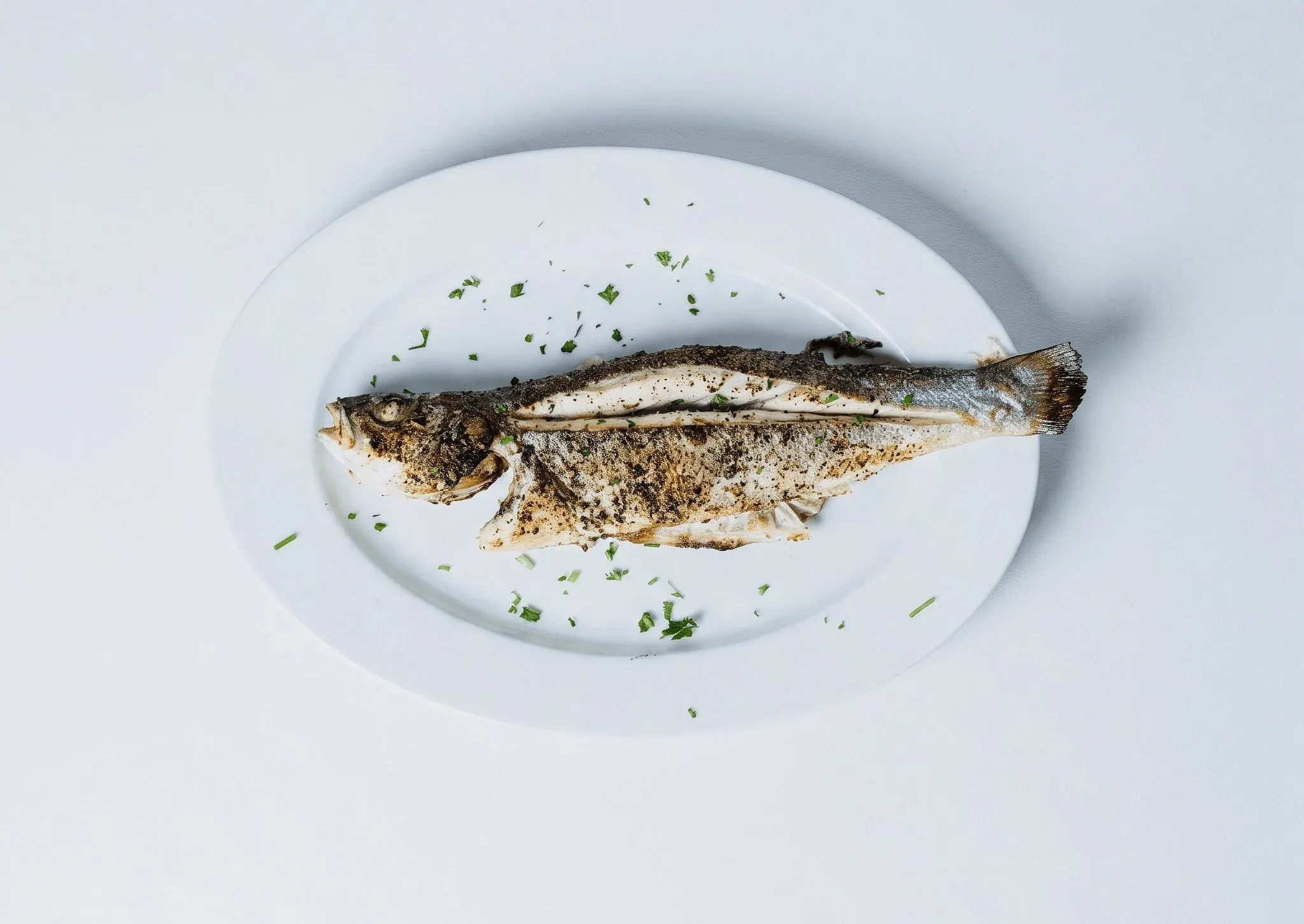
Greek cooking is not only about baked dishes. On a grill, fish, octopus, shrimp, chicken, lamb and skewered meats take on character from olive oil, lemon, oregano and heat. A whole fish or grilled seafood plate can feel especially simple and generous, with a salad, greens or potatoes doing the supporting work. Grilled lamb brings a fuller, more celebratory note, while souvlaki offers a direct, casual option built around grilled meat and pita.
The best approach is to match the main to the rest of the table. With delicate fish, keep the supporting plates light: salad, greens or lemon potatoes are enough. With lamb or grilled chicken, add a crisp vegetable dish and one comforting side. For a quick introduction to the difference between shareable small plates and a fuller main, our first-time Greek restaurant guide lays out an easy ordering sequence.

A simple traditional Greek order for a group
For three or four people, a useful first order is one cool dip, one salad, one warm pastry or cheese dish and one main to share or pair with individual choices. Tzatziki and horiatiki make a fresh opening. Spanakopita gives the table something warm and flaky. From there, choose grilled fish, chicken, lamb or a baked classic according to the occasion. This combination gives everyone a few tastes before the meal becomes more substantial.
For a casual lunch, keep the main simple and let the first plates do some of the work. For a birthday, family visit or longer dinner, add one extra warm dish or a second main only after the group has settled in. That pacing matters. It leaves space for conversation, avoids duplicate textures and makes the meal feel generous rather than overplanned. If the table includes different appetites, ask whether dishes are designed for sharing and whether a vegetable plate can stand alongside the meat or seafood choices.
At home, use the same idea as a shopping and cooking plan. Prepare one cold element in advance, make one warm dish that can hold for a few minutes, then finish the grilled or baked centerpiece close to serving time. Bread, lemon wedges and a bowl of olives can make the whole table feel complete without another complicated recipe. Greek hospitality is not a performance. It is the ease of giving everyone something good to reach for.
Vegetables, beans and potatoes deserve equal attention
Traditional Greek cooking has plenty to offer beyond meat. Beans, lentils, greens, eggplant, zucchini, tomato-based vegetable dishes and potatoes can anchor a meal or bring balance to the center of the table. The Greek food guide from Discover Greece highlights the breadth of classic dishes and local products across the country, from island cooking to city dining.
For diners, this means a vegetarian-friendly Greek meal does not need to feel like an afterthought. Pair a salad with a vegetable dish, a dip and a warm pie, then add bread or potatoes for substance. For a larger party, that same variety makes it easy to offer generous choices. Parthenon’s catering options can help groups build a menu around familiar Greek favorites, fresh vegetables and dishes guests can share.
Leave room for a sweet finish
Baklava is the Greek dessert most diners know first: crisp layers of phyllo, nuts and syrup make it rich enough to share. Greek yogurt with honey and walnuts offers a lighter finish, especially after a table of warm dishes. The point is not to force dessert after every meal. It is to give the table an easy reason to slow down for a few more minutes.
A shared dessert is also a useful signal when planning the rest of the meal. If baklava is in the picture, keep the savory order balanced rather than overly heavy. Start with a fresh salad or dip, choose one warm plate and one main, then decide whether the table wants something sweet. The result feels generous without leaving everyone too full to enjoy it.

Try traditional Greek dishes at Parthenon
The easiest way to explore Greek food is with a few people at the table and a plan flexible enough to change as the dishes arrive. At Parthenon Restaurant & Chevy Chase Lounge, begin with the menu, choose a few plates to share and ask for help matching the order to your group. A weekday visit can pair small plates with Happy Hour at Chevy Chase Lounge; a slower weekend gathering can begin with Greek Brunch.
For dinner, make a reservation and start with one bright salad or dip, one warm shareable plate and a main the table is excited about. The goal is not to prove that you know every classic. It is to enjoy a meal with enough contrast, conversation and choice that everyone wants to stay for the next plate.
If the group is celebrating, build the meal around the people at the table rather than a fixed order. Someone may want a familiar grilled dish, while another wants to try a baked classic or make a meal of small plates. That is a strength of Greek dining. The same table can hold a bright salad, a warm pie, a vegetable dish and a centerpiece without asking everyone to choose the same experience. Let the first round arrive, see what disappears, then add another plate when it will genuinely make the meal better.
Frequently asked questions
What are some traditional Greek dishes?
Traditional Greek dishes include horiatiki, or village salad, spanakopita, dolmades, moussaka, pastitsio, grilled seafood, souvlaki, lemon potatoes and baklava. What is traditional varies by region, season and household.
What should a first-time guest try at a Greek restaurant?
For a first meal, choose a cool dip or salad, one warm shareable dish such as spanakopita, then a grilled main or a baked favorite. Sharing a few contrasting plates makes it easy to discover what the table enjoys.
Are traditional Greek dishes always meat-based?
No. Greek cooking includes many vegetable, bean, grain, cheese and seafood dishes alongside lamb, chicken and pork. A generous meal can be built from salad, vegetables, dips, pies, bread and one or two warm plates.


